What exactly is PRF?
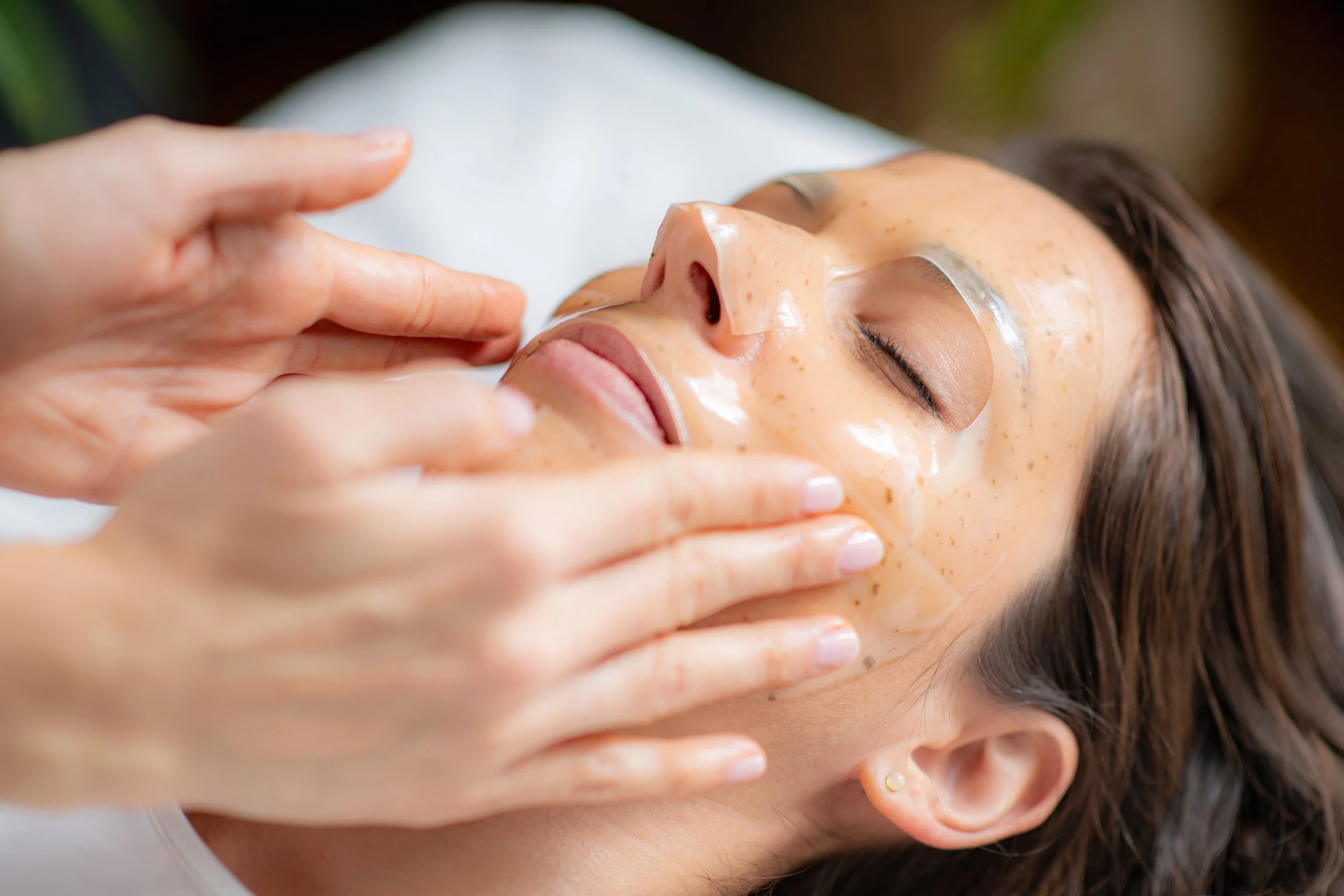
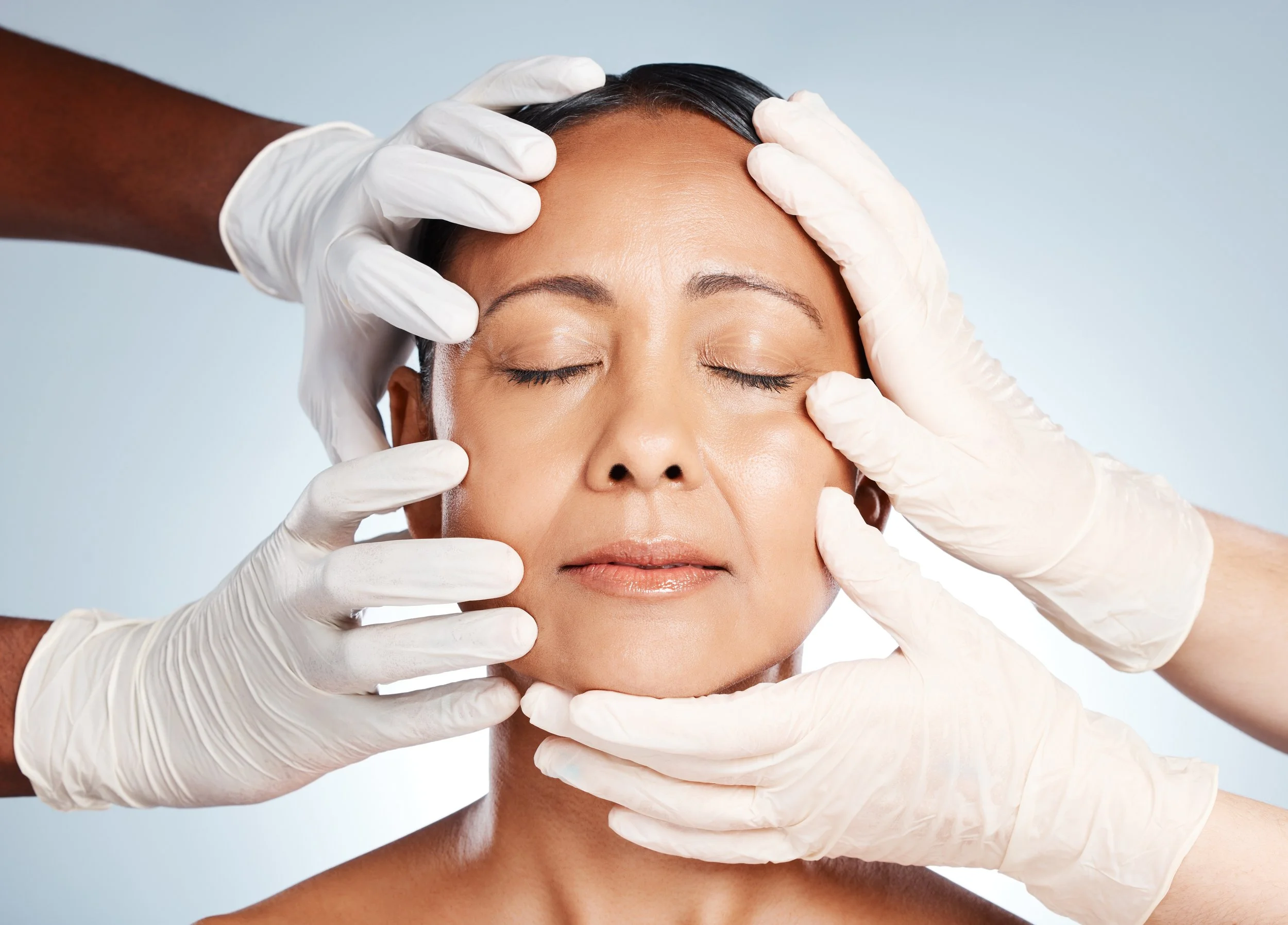
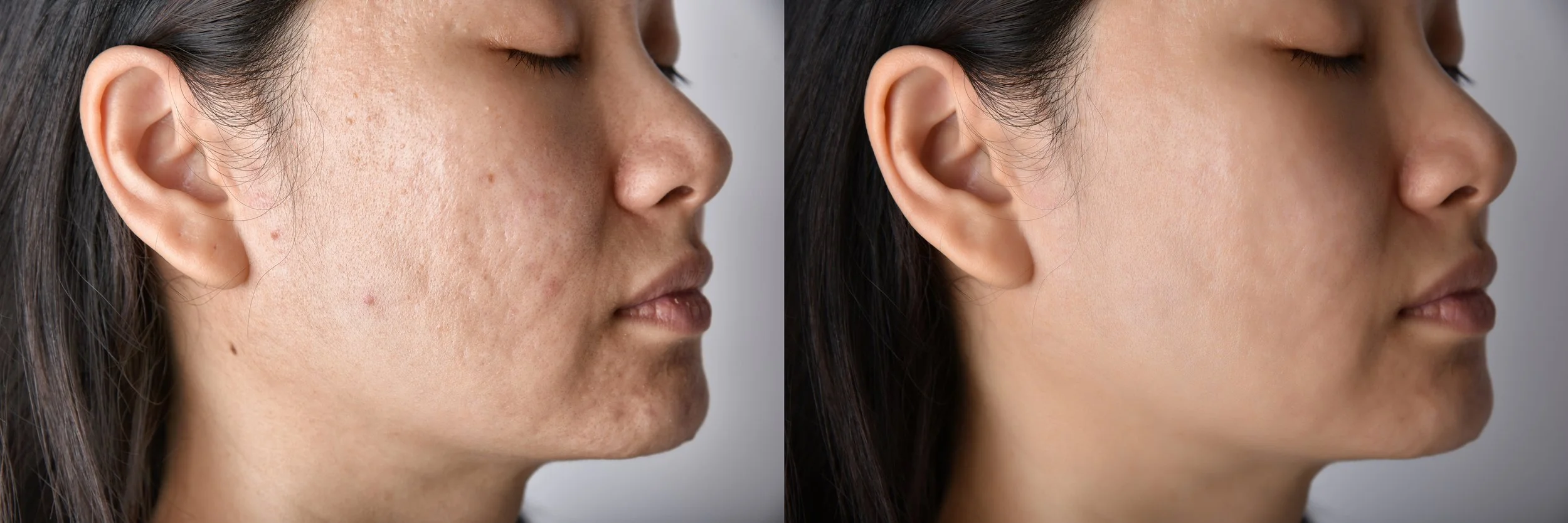
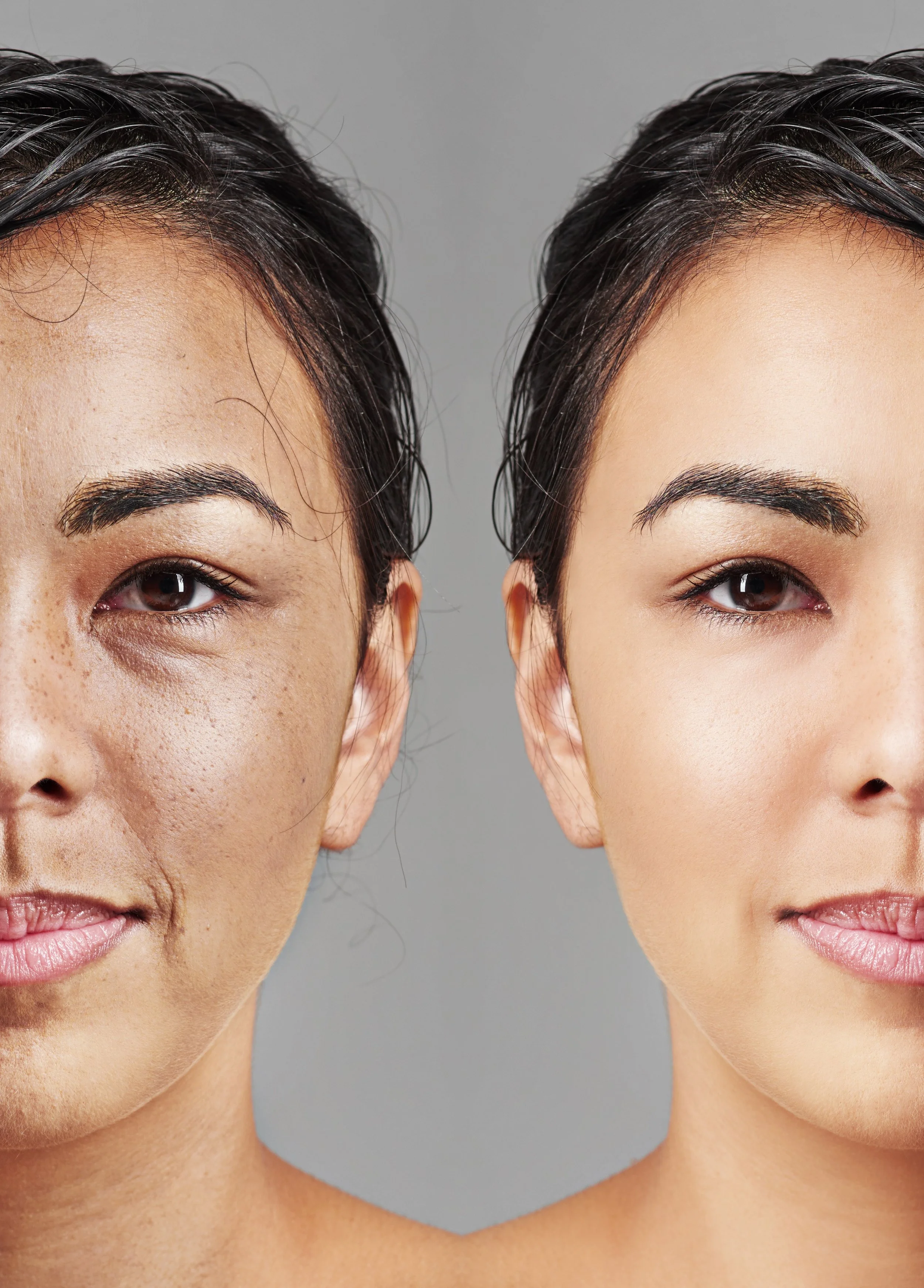
Platelet Rich Fibrin is a natural regenerative medicine technique that uses the concentration of your own growth factors to promote healing and to accelerate tissue regeneration. This boosts collagen and elasticity and restores volume. Reduces fine lines and wrinkles Improves skin tone and texture. And safely addresses under eye concerns of hollowness, dark circles, and under eye bags. The process involves drawing blood, processing it to isolate the PRF, then it is either injected into the skin and scalp, or it is applied topically in combination with microneedling. Other advantages to this natural technique include long lasting results, its minimally invasive, and since it is 100% of your own blood there is minimal risk of allergic reaction or side effects.
PRF VS PRP
Platelet-Rich Fibrin (PRF) is a next-generation regenerative treatment that uses your body’s own natural growth factors to restore and rejuvenate the skin. By concentrating platelets and fibrin from a small blood sample, PRF stimulates collagen production, enhances skin texture, and promotes healing—all without synthetic additives or harsh chemicals. The result is a natural, gradual improvement in tone, volume, and overall radiance.
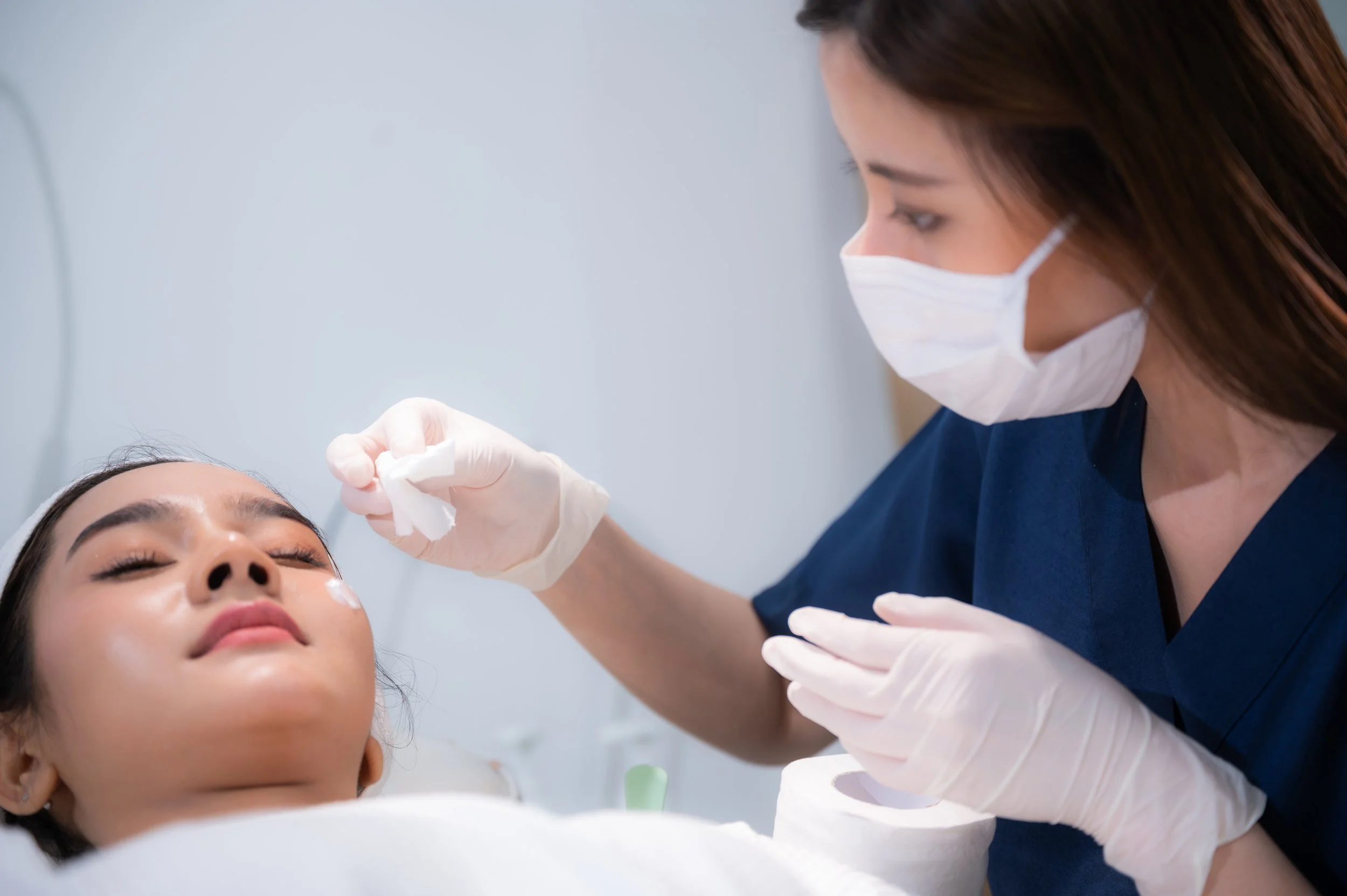
How It Works
Step 1
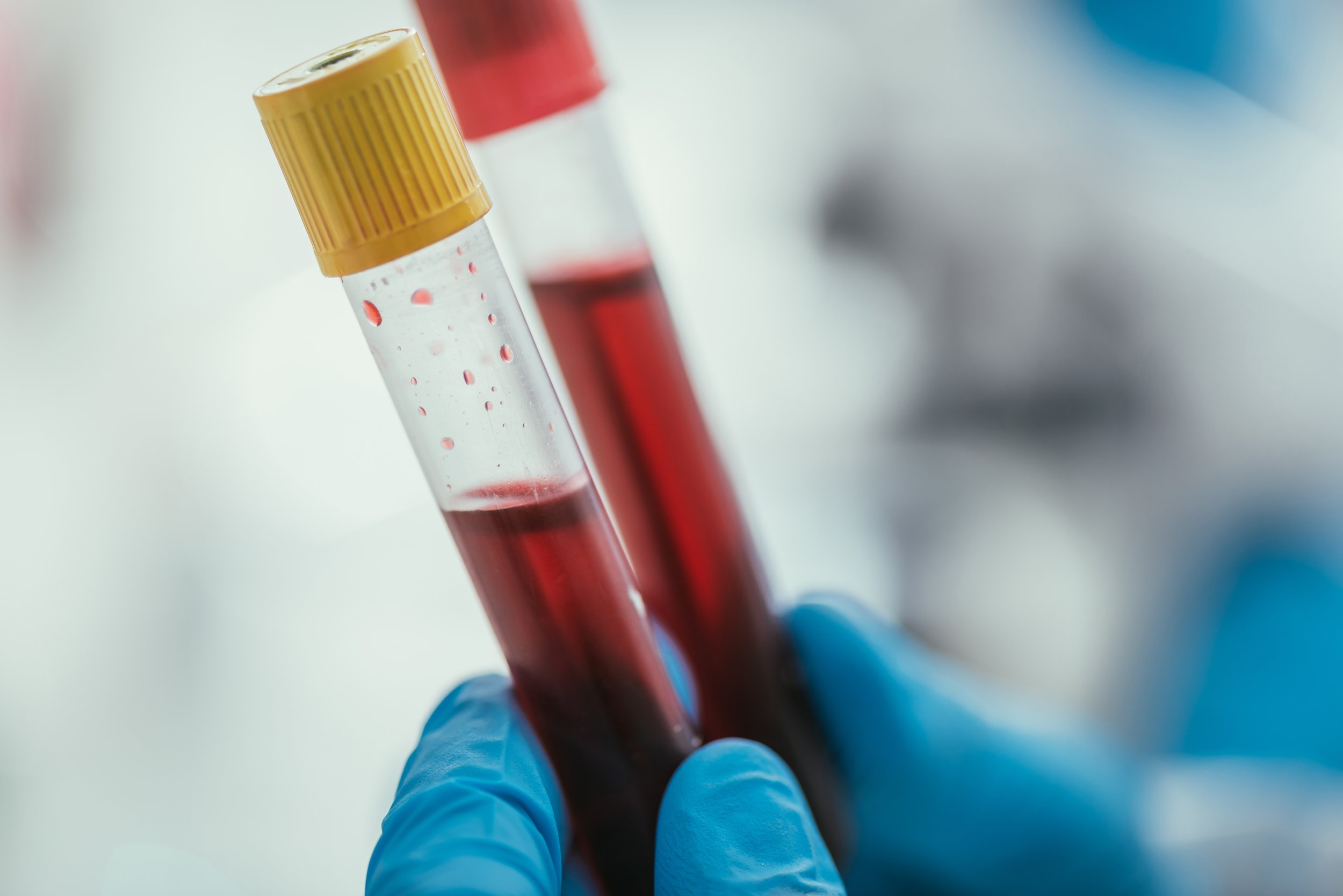
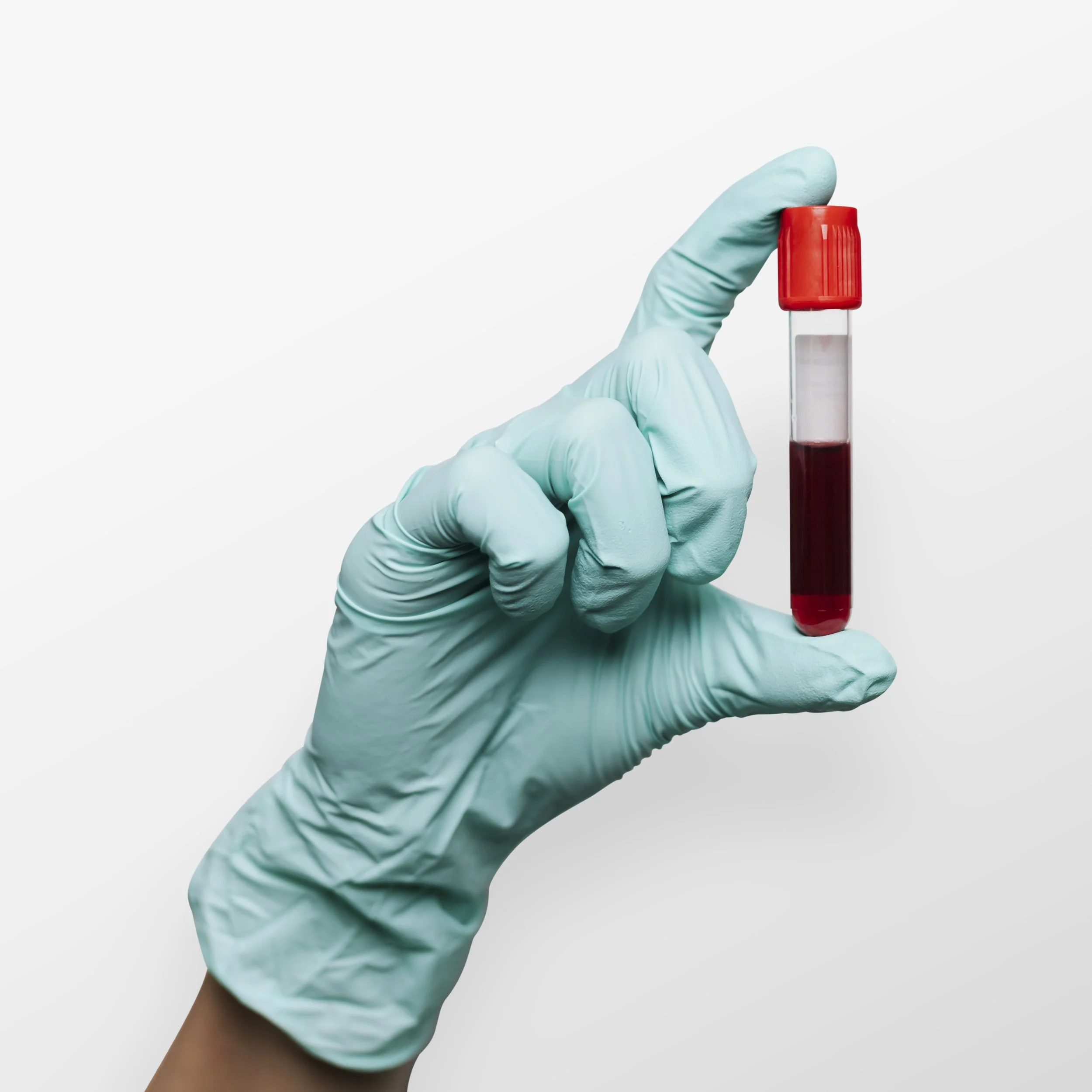
Draw a small blood sample
Step 2
Blood is spun in a centrifuge
Step 3
Platelet-rich fibrin layer is separated
Step 4
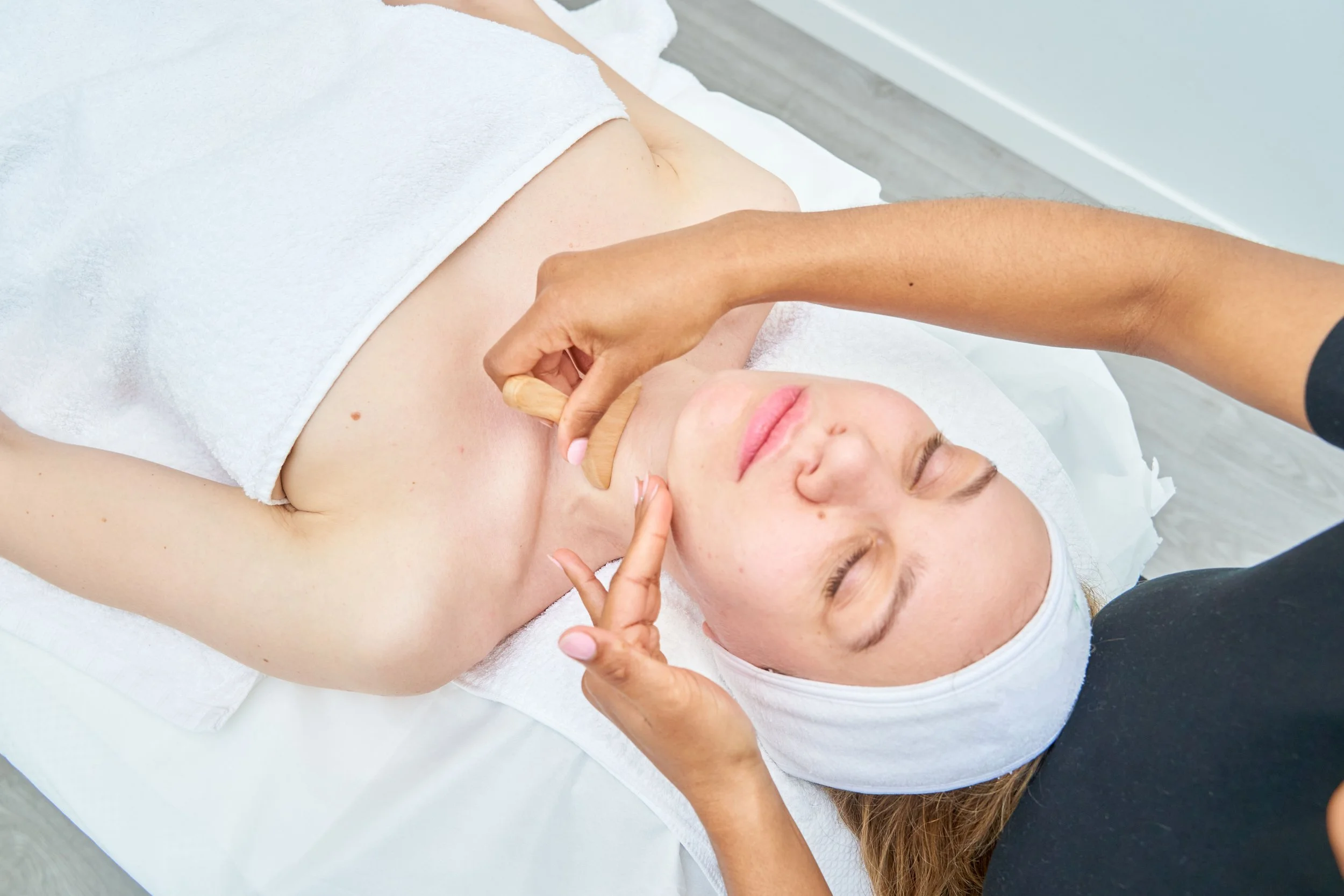
PRF is injected or applied to treatment area
PRF is injected into damaged tissue
Stimulates collagen production
Promotes vascularization (new blood vessels)
Helps regenerate cells
Replaces damaged tissue naturally
Improves healing and skin quality
What Happens After Injection?

FAQs
What is PRF, and how is it different from PRP?
PRF (Platelet-Rich Fibrin) is a second-generation treatment derived from your own blood, similar to PRP (Platelet-Rich Plasma) but processed differently. PRF is spun at a lower speed without additives, creating a fibrin matrix that releases growth factors more slowly, leading to longer-lasting rejuvenation and natural healing.
What skin concerns can PRF help improve?
PRF can address a variety of concerns, including fine lines, under-eye hollows, uneven texture, dullness, acne scars, and overall skin laxity. It’s also effective for boosting collagen production and supporting healthier, more youthful-looking skin.
How does the PRF process work?
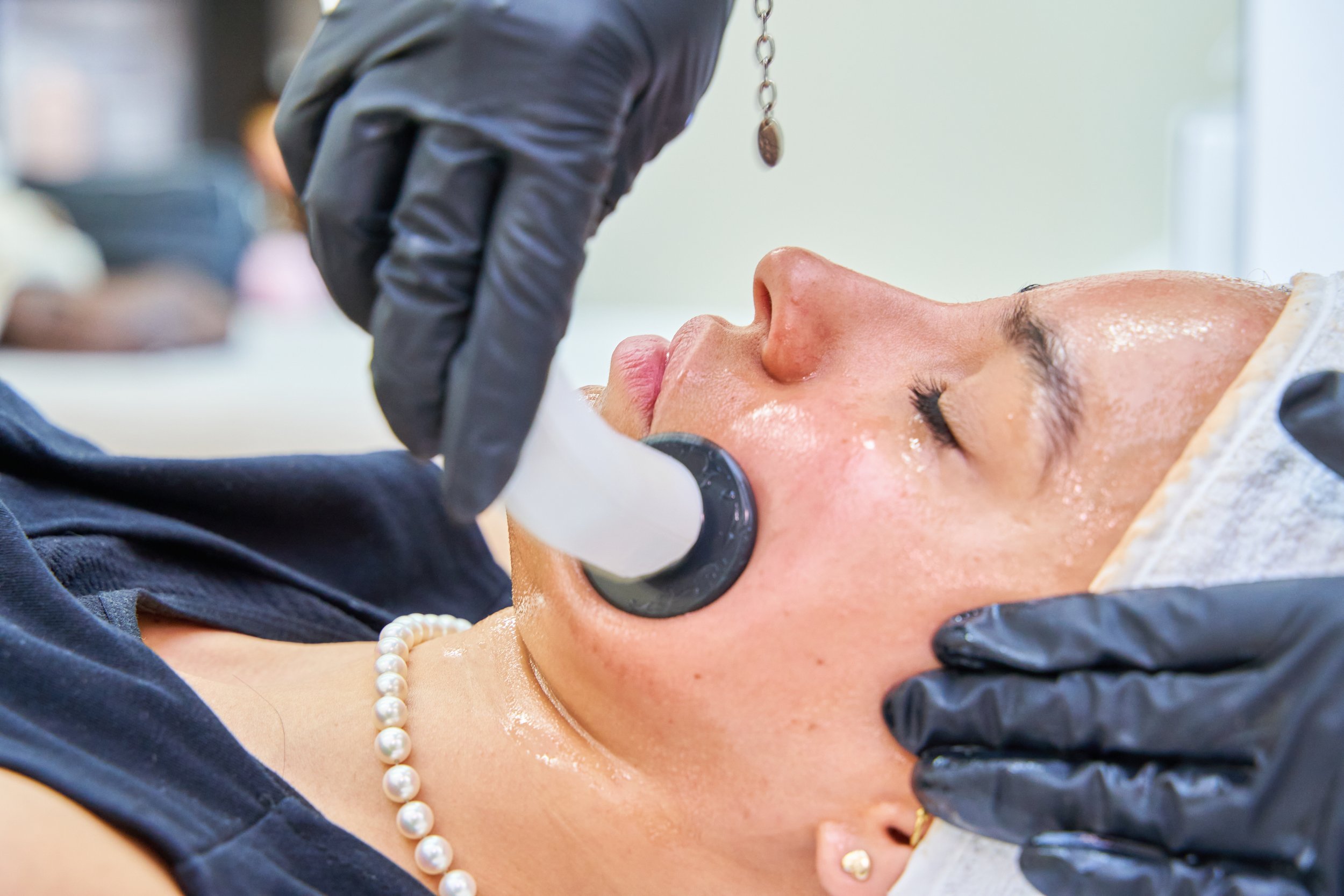
A small sample of your blood is drawn, then spun in a centrifuge to separate the platelet-rich fibrin. The PRF is either injected into targeted areas or applied topically (often with microneedling) to stimulate collagen and cellular renewal.
Are PRF treatments safe?
Yes. Because PRF is 100% natural and derived from your own blood, the risk of allergic reaction or rejection is extremely low. Side effects are typically minimal, such as mild swelling or redness that resolves within a few days.
What should I expect during the procedure?
Most treatments take about 45–60 minutes. After a quick blood draw, the PRF is prepared and applied. A topical numbing cream can be used to keep you comfortable throughout the process.
Is there any downtime after treatment?
Downtime is minimal. You may experience mild swelling, redness, or bruising for 1–3 days, depending on the technique used. Most people return to normal activities within 24 hours.
How many sessions will I need to see results?
Results vary, but many people notice improvements after 1–2 sessions. For optimal results, a series of 3 treatments spaced 4–6 weeks apart is often recommended, followed by maintenance treatments as needed.
How long do the results typically last?
Results develop gradually over several weeks as collagen builds and can last 6–12 months, depending on your skin health and treatment plan.
Can PRF be combined with other treatments?
Yes. PRF is often paired with microneedling, dermal fillers, or laser treatments to enhance results and accelerate skin rejuvenation.
Who is a good candidate for PRF?
Almost anyone looking to improve skin quality naturally is a good candidate. However, those with certain blood disorders or severe health conditions may not be eligible. A consultation ensures the treatment is safe and appropriate for you.
Are there any side effects or risks?
Side effects are rare but may include temporary swelling, bruising, or tenderness at the treatment site. Since PRF is autologous (from your own body), allergic reactions are highly unlikely.
How should I prepare for my appointment?
Stay hydrated and avoid anti-inflammatory medications (like ibuprofen) for a few days prior, as they may affect the quality of your PRF. Your provider will give you specific instructions based on your treatment plan.
When will I start to notice improvements?
You may notice a healthy glow within days, but full benefits—like smoother texture and firmer skin—develop gradually over 4–8 weeks as collagen production increases.
Is PRF painful?
Most people find the treatment very tolerable. A topical numbing cream is typically applied, and any discomfort is minimal and short-lived.
How much does PRF treatment cost, and do you offer payment plans?
Pricing varies depending on the area treated and number of sessions required. At Kaizen Aesthetics, we offer flexible payment options to make advanced regenerative treatments accessible.